
The Biometric Evolution in the Philippine Workplace
For over a decade, fingerprint scanners have been the standard for "modern" attendance in the Philippines. From corporate offices in BGC to factories in Laguna, the familiar green light of a biometric machine has been a staple of the morning routine. However, as we move through 2026, a major shift is occurring. Physical sensors are being replaced by intelligent, software-driven solutions: AI Facial Recognition.
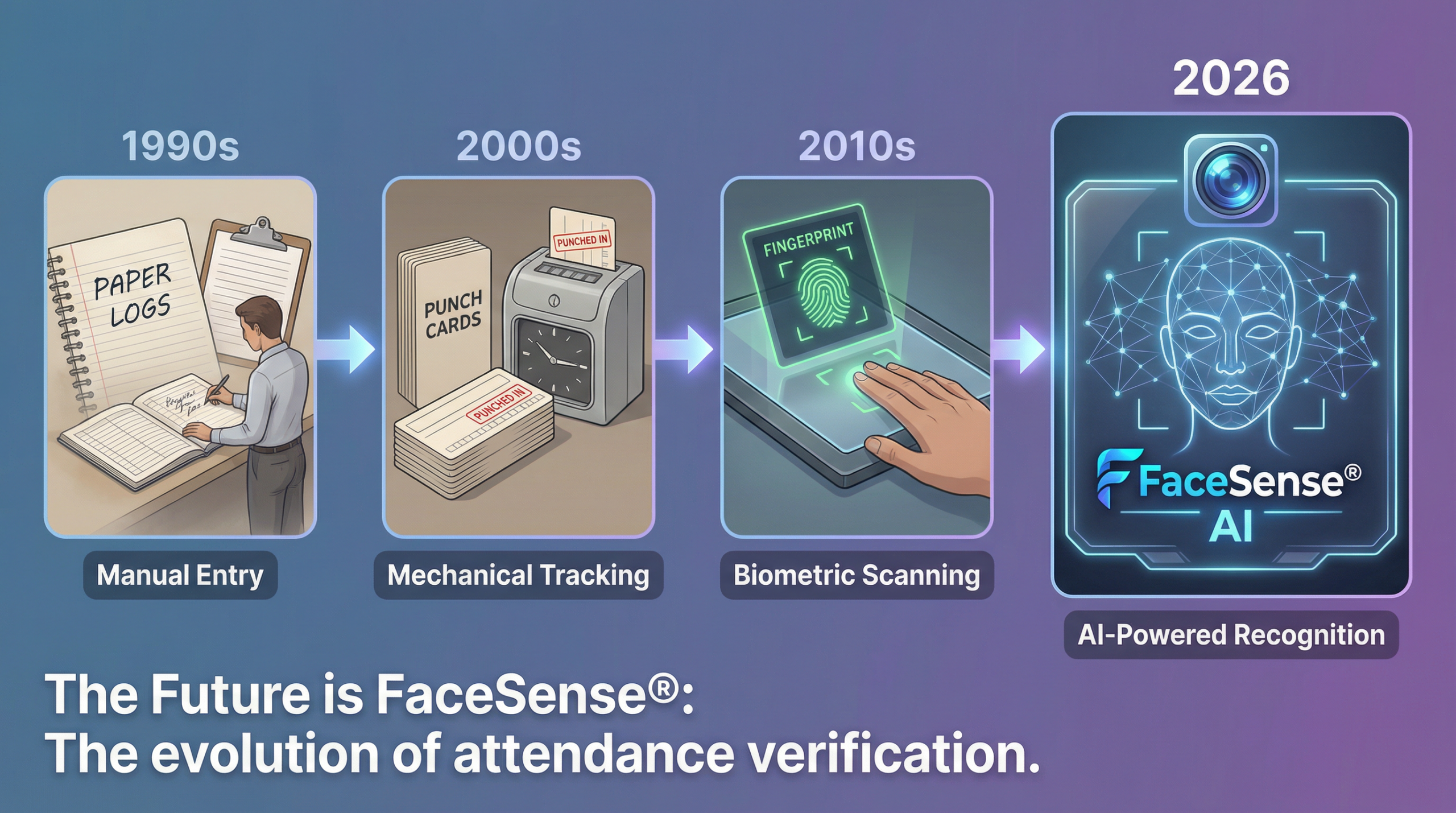
The limitations of fingerprint technology are becoming increasingly clear. Hardware maintenance costs, hygiene concerns, and the high rate of "False Rejection" (where the machine fails to recognize a legitimate employee) are pushing businesses to seek a more reliable alternative.
The Problem with Physical Sensors
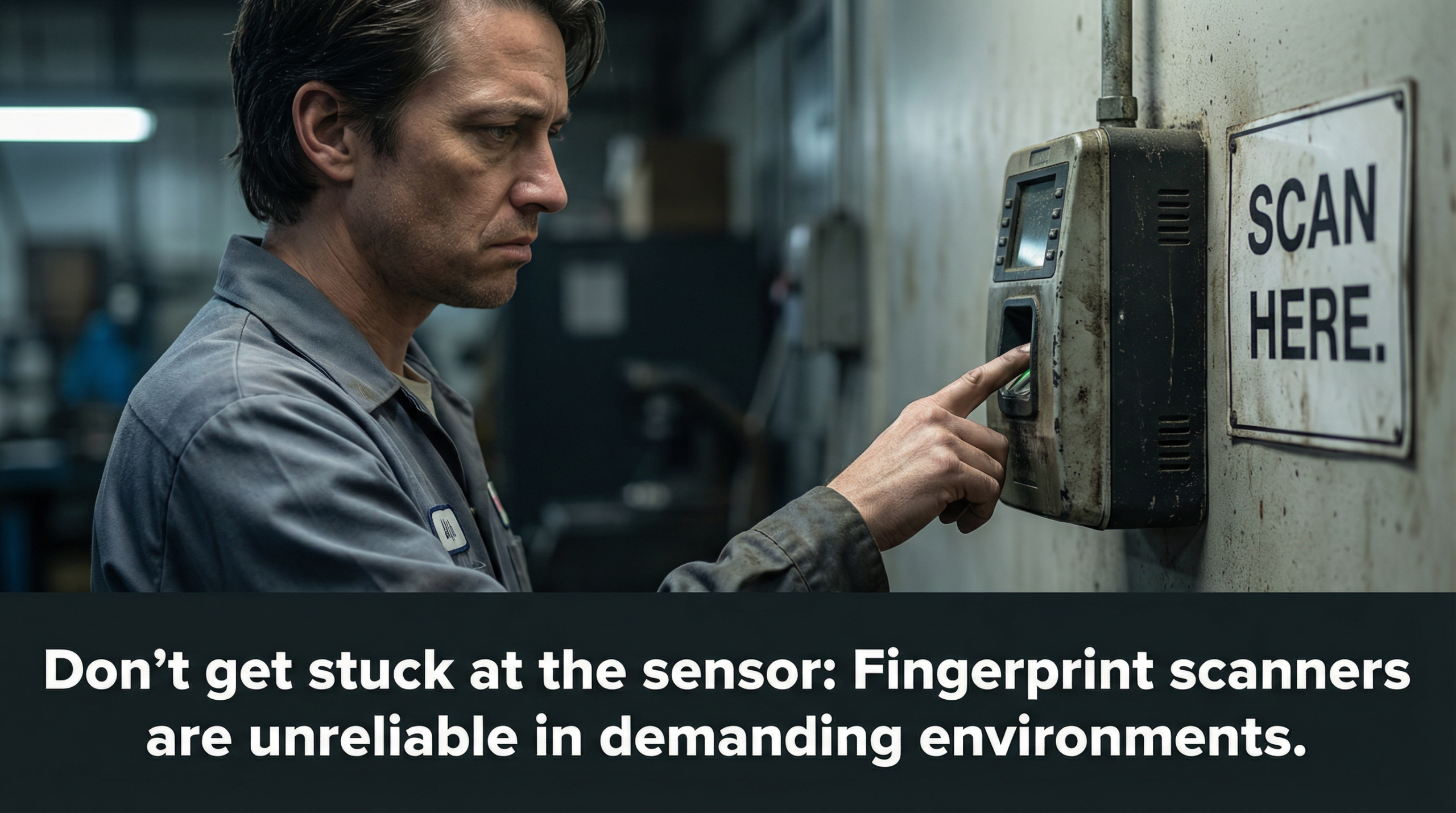
In many Philippine industries—such as construction, manufacturing, and food service—employees' fingerprints are often worn down, dirty, or wet. This leads to long queues at the biometric machine as employees struggle to get a successful scan. In the worst cases, it leads to "proxy" clock-ins where managers manually override the system, re-introducing the very fraud the machine was supposed to prevent.
FaceSense® AI: The Intelligent Alternative
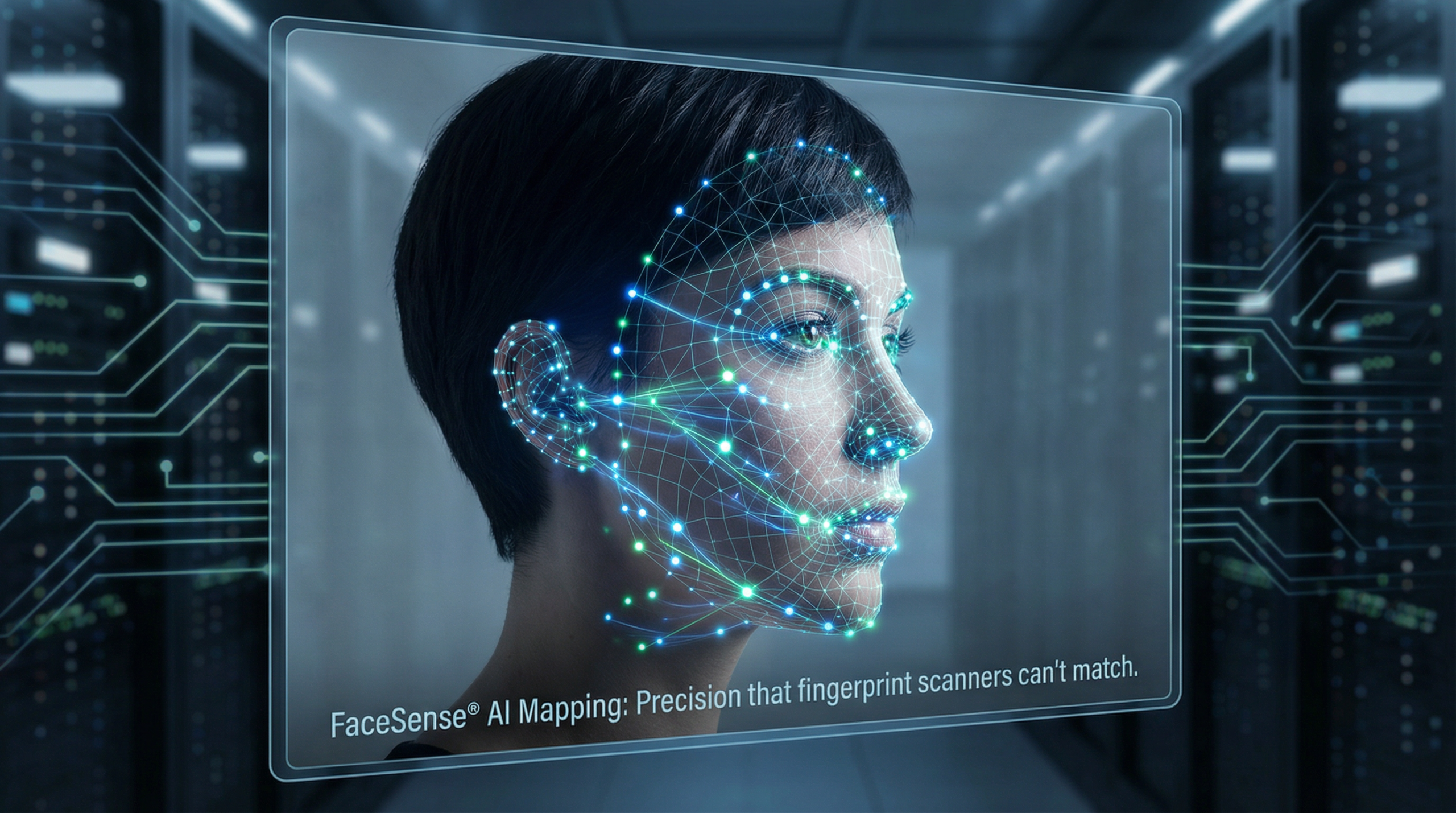
Paylalo’s FaceSense® AI solves these issues by moving the biometric process to the smartphone. By using the high-resolution cameras already present on modern Android devices, Paylalo creates a far more detailed and reliable verification than any fingerprint sensor could.
Key Advantages of FaceSense® AI:
- Zero Contact, High Hygiene: In a post-pandemic world, employees are hesitant to touch a communal sensor. FaceSense® AI is completely touchless, reducing the spread of germs in the workplace.
- Environmental Resilience: Unlike fingerprint sensors, which fail in humid or dusty conditions, facial recognition works in almost any environment, provided there is sufficient light.
- Infinite Scalability: Adding a new branch doesn't mean buying a new ₱15,000 machine. It just means downloading an app.
The "Liveness" Factor: Beyond Simple Photos
A common misconception is that facial recognition can be fooled by a simple photo of an employee. This might be true for basic systems, but FaceSense® AI utilizes 3D Liveness Detection. It analyzes depth, texture, and subtle movements to ensure that the "face" in front of the camera is a living, breathing human being. This makes it significantly more secure than traditional biometrics.
Reducing "Time Theft" and Administrative Burden
When a fingerprint machine fails, HR has to spend hours manually reconciling attendance logs. This administrative burden is a hidden cost that most businesses fail to account for. FaceSense® AI provides a 99.8% accuracy rate, meaning your HR team can stop fixing logs and start focusing on strategic people management.
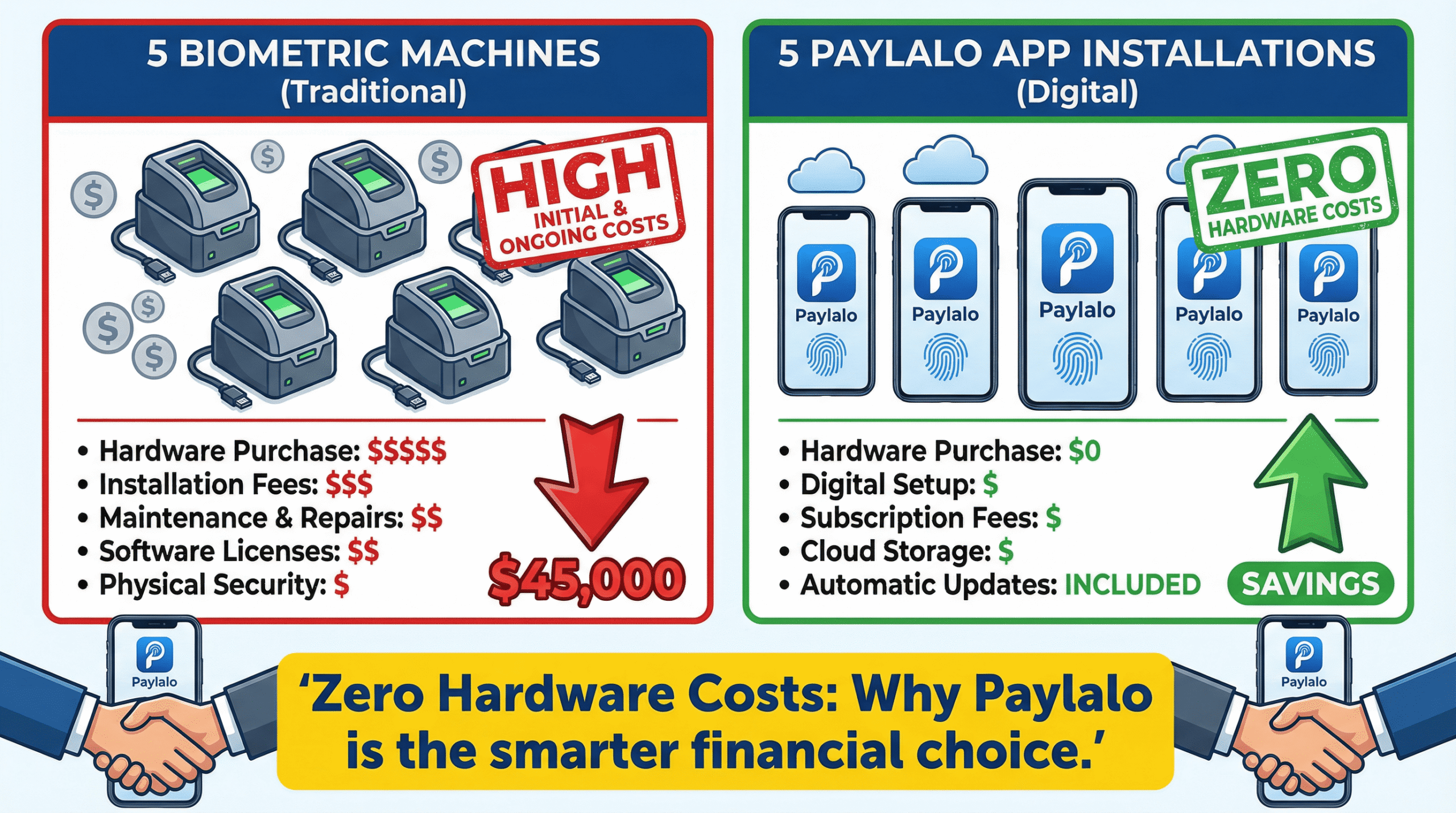
Cost Comparison: Hardware vs. Software
Traditional Biometrics: High initial cost (₱10k-₱20k per machine), installation fees, and ongoing maintenance/repair costs.
Paylalo FaceSense® AI: Zero hardware cost. Low monthly subscription that scales with your business. Automatic software updates ensure you always have the latest security.
A Seamless Transition for Your Team
Changing a core business process can be daunting. However, the transition to Paylalo is remarkably simple. Most employees are already comfortable using facial recognition to unlock their personal phones. By bringing this familiar technology to the workplace, you reduce friction and increase employee buy-in.
Conclusion: Embrace the New Standard
The era of the wall-mounted fingerprint scanner is coming to an end. The future of Philippine workforce management is mobile, intelligent, and secure. By adopting FaceSense® AI, you aren't just upgrading your attendance system; you are future-proofing your business.